Tickets, options and how to choose
Robben Island tickets: how to book
What the ferry and museum booking includes, how it differs from the museum's own tickets, the ID rules, and what you see on the way to Mandela's cell.
Check dates and availability ↗Quick answer
Book the ferry and museum tour for a dated sailing and enter every traveller's full name, because ID is checked on the day. The booking covers the ferry, museum entry and a guided tour that ends at Nelson Mandela's cell, and it is listed at about four hours. Free cancellation up to 24 hours before applies to this booking, not to tickets bought from the museum. The booking calendar and your confirmation show the departure time.
Three ways to visit
| This booking | Museum, direct | Walking tour | |
|---|---|---|---|
| Route | Ferry, bus, prison | Same standard tour | Guided walk, ferry |
| Length | About 4 hours listed | 3.5 to 4 hours | About 5 hours |
| Sold by | A local operator | The museum | The museum |
| Cancellation | Free to 24h before | Museum's own terms | Museum's own terms |
| Best for | Pay later, your currency | Buying from the source | Fit walkers |
What you're booking
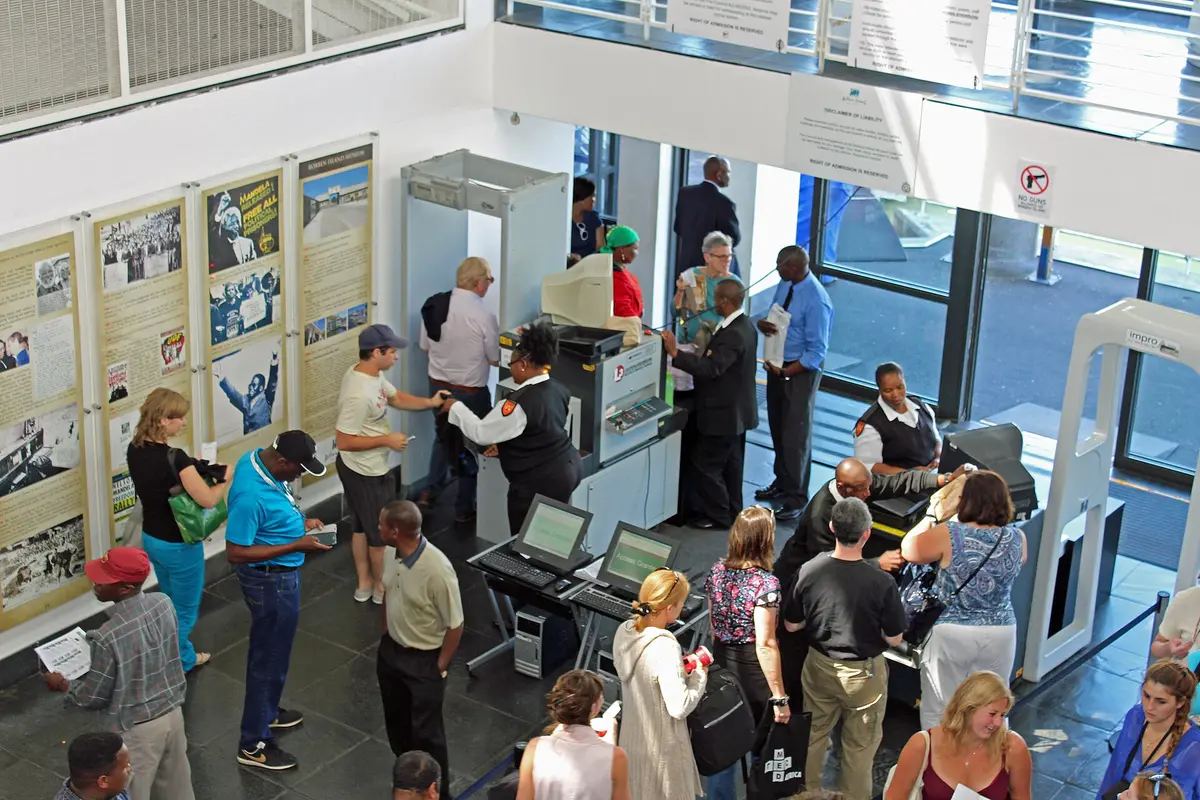
This is a ferry-and-tour package, not a bare entry ticket. It includes the ferry ticket, museum entry, a tour of the Robben Island Museum, an ex-inmate guide and a guide on the ferry. The seller is a local operator, Raw Tours, trading as Raw African Safaris. The route follows the museum's standard tour: the ferry from the Nelson Mandela Gateway, a bus tour of the island, the Maximum Security Prison, and a viewing of Mandela's cell. The booking page lists the duration as four hours and shows start times once you pick a date.
- Ferry ticket and museum entry
- A tour of the Robben Island Museum
- An ex-inmate guide, and a guide on the ferry
- Meeting point: the Nelson Mandela Gateway, next to the Clock Tower
What's included, and what isn't
The inclusions list also mentions hotel pick-up and drop-off. The itinerary and the meeting point, though, both begin and end at the Nelson Mandela Gateway. Treat the Gateway as your meeting point unless your confirmation names a pickup. Food is not part of the booking. The museum says there are no restaurants on the island and that a small shop sells snacks and drinks, so eat before you go or bring your own food, but no alcohol. Only South African rand and credit or debit cards are accepted there, so don't plan to pay in other cash.
Booking here or from the museum
The museum sells the same standard tour itself, online and at its ticket office, and prices it in South African rand. Its own terms differ from this booking. A museum ticket is valid only for the date and time printed on it. It is refunded only if the museum cancels the voyage, or for hospitalisation or a death. A date change must be made 48 hours ahead and carries an administration fee. This booking is cancellable free up to 24 hours before, and you can reserve now and pay later. Choose the museum if you want to buy at source, and this booking if you want that flexibility.
Names, ID and the departure gate
The booking asks for the full names and nationalities of all travellers, and asks you to bring a passport or ID card. That matters because the museum's terms say identification is checked against the ticket details before you board, and that a ticket is not transferable. The museum also states that you should arrive at least 30 minutes before departure, that boarding gates close 10 minutes before it, and that a missed departure means no refund and no rescheduling on a museum-sold ticket. Give yourself a margin on the day, and enter the names correctly when you book.
When to book
The booking page advises booking at least 48 hours ahead because the tour is popular, and the museum recommends early booking, saying tickets are subject to availability. The museum runs a peak and an off-peak schedule, with fewer departures in the off-peak months, so your choice of departure shrinks at quiet times of year. Because cancellation is free up to 24 hours before and nothing is paid up front, booking early costs you little flexibility. Weather can move the day (see below), so book early in your Cape Town stay rather than for your last day.
The tour is in English
The listed guide speaks English, and that matters if you travel with German, French, Dutch or Portuguese speakers. The museum says its tours are not offered in multiple languages, and that multi-language audio headsets are only being considered. You may bring your own interpreter at no extra charge. Reading about the island beforehand helps, because the commentary will be in English only. The sources at the bottom of this page cover the island's history in English, and the museum's own site is the place to check whether any of this has changed.
What the tour covers
After the ferry you land at Murray's Bay Harbour on the island's east coast and walk a short way to the buses. On the way you pass buildings and a high wall that prisoners built in the 1960s, used for family and lawyer visits. You meet your guide on the bus. The route takes in the graveyard of people who died of leprosy, the lime quarry, Robert Sobukwe's house, the Bluestone quarry, army and navy bunkers, and the Maximum Security Prison. UNESCO lists the island for its buildings, above all that prison, which it says witness the triumph of democracy and freedom over oppression and racism. The tour ends with a viewing of Mandela's cell.
Read next: Led by Those Who Were Held: The Ex-Prisoner Guides
Mandela's years in Section B
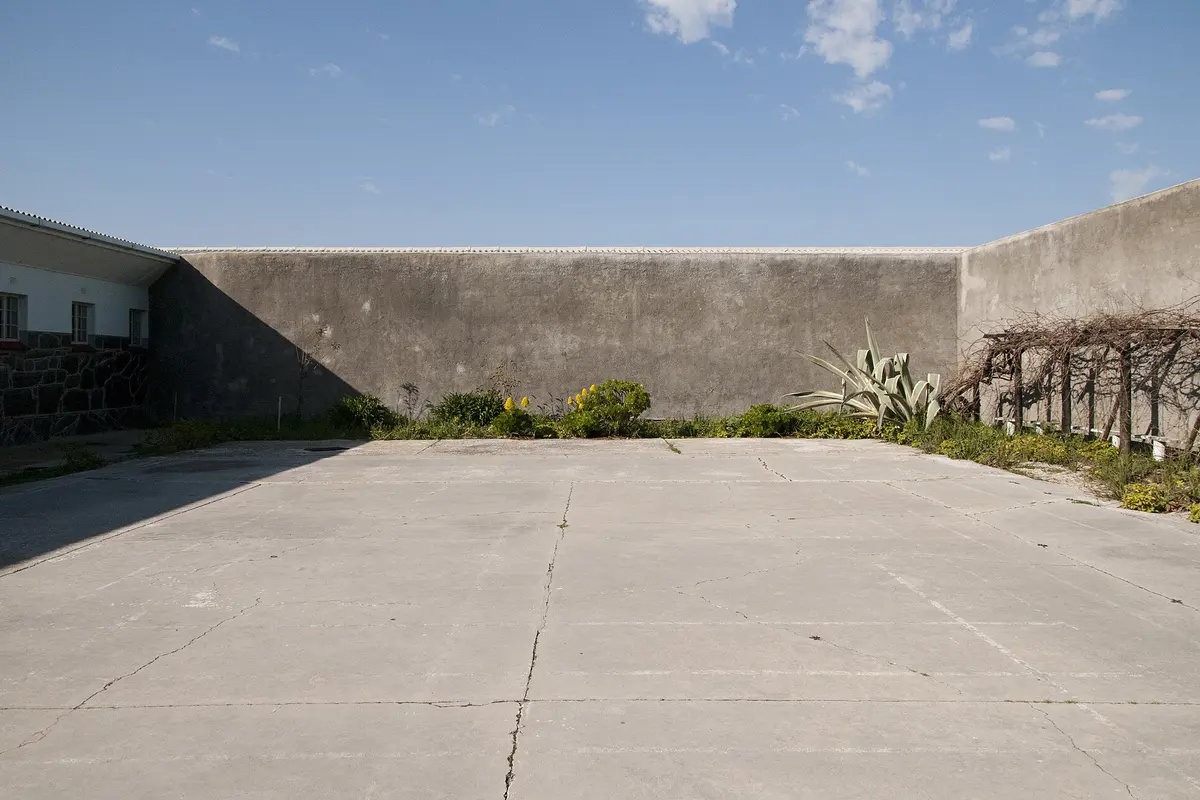
Mandela and his co-accused were moved to Robben Island in 1964 and stayed 18 years, until April 1982, when he was transferred to Pollsmoor Prison in Cape Town. In Section B he was held apart from non-political prisoners, in a damp concrete cell measuring 8 by 7 feet, with a straw mat to sleep on. The Rivonia Trial prisoners broke rocks into gravel until January 1965, when they were reassigned to the lime quarry. The glare off the lime permanently damaged Mandela's eyesight, because he was initially forbidden to wear sunglasses. That is the place you are viewing at the end of the tour.
Read next: From Prison to World Heritage: The Triumph of the Spirit
Weather and your booking
The museum's ticket terms say it reserves the right to cancel voyages or change departure times without notice. It refunds tickets for voyages it cancels because of adverse weather or ferry operational difficulties. The island is open all year, weather permitting. For a booking made here, the cancellation terms in your confirmation apply, and the free-cancellation window to 24 hours before is a separate matter from a weather decision made on the day. If a sailing is called off, contact the seller named in your confirmation. We can't promise a replacement slot, and none of the sources we checked says how often sailings are cancelled.
Who this isn't for
The booking lists the tour as not suitable for people with mobility impairments, or for people prone to seasickness. If you want a tour in a language other than English, this one is not it. If you want to wander the island at your own pace, note that you move with a guided group on a timetable. If you are a fit walker who wants more time on the ground, the museum also offers a separate walking tour of about five hours, which is not part of this booking. Anyone who finds the history of imprisonment too heavy should think carefully before booking.
Frequently asked questions
Do I need to book Robben Island tickets in advance?
Yes, book ahead. The booking page advises at least 48 hours in advance because the tour is popular, and the museum recommends early booking. Tickets are subject to availability, and the museum can cancel or change voyages without notice.
Is this the same as buying from the Robben Island Museum?
The route is the museum's standard tour, but this booking is sold by a local operator, Raw Tours. The cancellation and date-change terms differ from those on museum-sold tickets, so compare them before you pay.
What ID do I need for the Robben Island ferry?
Bring a passport or ID card. The booking asks for every traveller's full name and nationality, and the museum's terms say identification is checked against the ticket details before boarding.
Where do I meet for the tour?
At the Nelson Mandela Gateway, next to the Clock Tower at the V&A Waterfront. Go up the steps at the entrance and join the queue for the Robben Island ferry. Arrive at least 30 minutes before departure.
How long does the Robben Island tour take?
The booking lists four hours, and the museum says the standard tour takes about 3.5 to 4 hours. That includes two ferry trips of 30 to 60 minutes each, depending on the boat, plus the island tour.
Is the tour only in English?
Yes. The listed guide speaks English, and the museum says its tours are not offered in multiple languages. You can bring your own interpreter at no extra charge.
Sources